
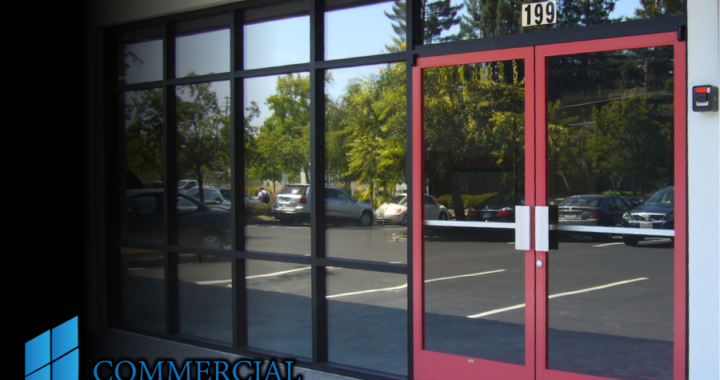
Albuquerque vs Salt Lake City — Commercial Glass & Tenant Improvement Glazing
Albuquerque vs Salt Lake City — Commercial Glass, Tenant Improvement Glazing & Office Build Out Markets
Albuquerque and Salt Lake City are both important Mountain West commercial markets, but they create tenant improvement glazing demand for different reasons.
Salt Lake City benefits from a larger and faster-growing regional commercial corridor tied to the Wasatch Front, technology, healthcare, logistics, industrial development, and continued office absorption. Albuquerque is smaller and more specialized, with commercial demand tied to healthcare, government, laboratories, technology, education, defense-related activity, retail, hospitality, and a substantial stock of existing buildings that need modernization.
For commercial glass contractors, tenant improvement contractors, property owners, developers, architects, and facility managers, the contrast can be simplified:
Salt Lake City = Growth + Absorption + Expansion
Albuquerque = Modernization + Specialized TI + Existing-Building Reuse
Both markets still create demand for the same core glazing systems:
Storefront → Commercial Entrances → Interior Office Glass → Conference Rooms → Privacy → Security → Specialty Glazing
Albuquerque vs Salt Lake City Tenant Improvement Glazing
| Commercial Glass Opportunity | Albuquerque | Salt Lake City |
|---|---|---|
| Office tenant improvements | Strong | Very strong |
| Interior office glass | Very strong | Very strong |
| Existing-building modernization | Exceptional | Very strong |
| Medical TI glazing | Exceptional | Very strong |
| Laboratory/research glazing | Very strong | Strong |
| Industrial TI glazing | Strong | Exceptional |
| Warehouse office build outs | Strong | Exceptional |
| Retail storefront renovation | Very strong | Strong |
| Government/institutional projects | Very strong | Strong |
| Corporate expansion | Moderate | Very strong |
| Existing glass reuse | Exceptional opportunity | Exceptional opportunity |
| Multi-market regional reach | New Mexico | Wasatch Front |
The difference is not necessarily the type of glass being installed.
It is what is causing the tenant improvement project to happen in the first place.
Salt Lake City Commercial TI Glass: Existing Space Has to Work Harder
Salt Lake City’s growth has created a strong environment for commercial build outs within existing inventory.
When tenants are expanding, relocating, combining suites, or moving into second-generation space, landlords and TI contractors frequently need to transform existing interiors quickly.
That creates opportunities for:
- Glass office fronts
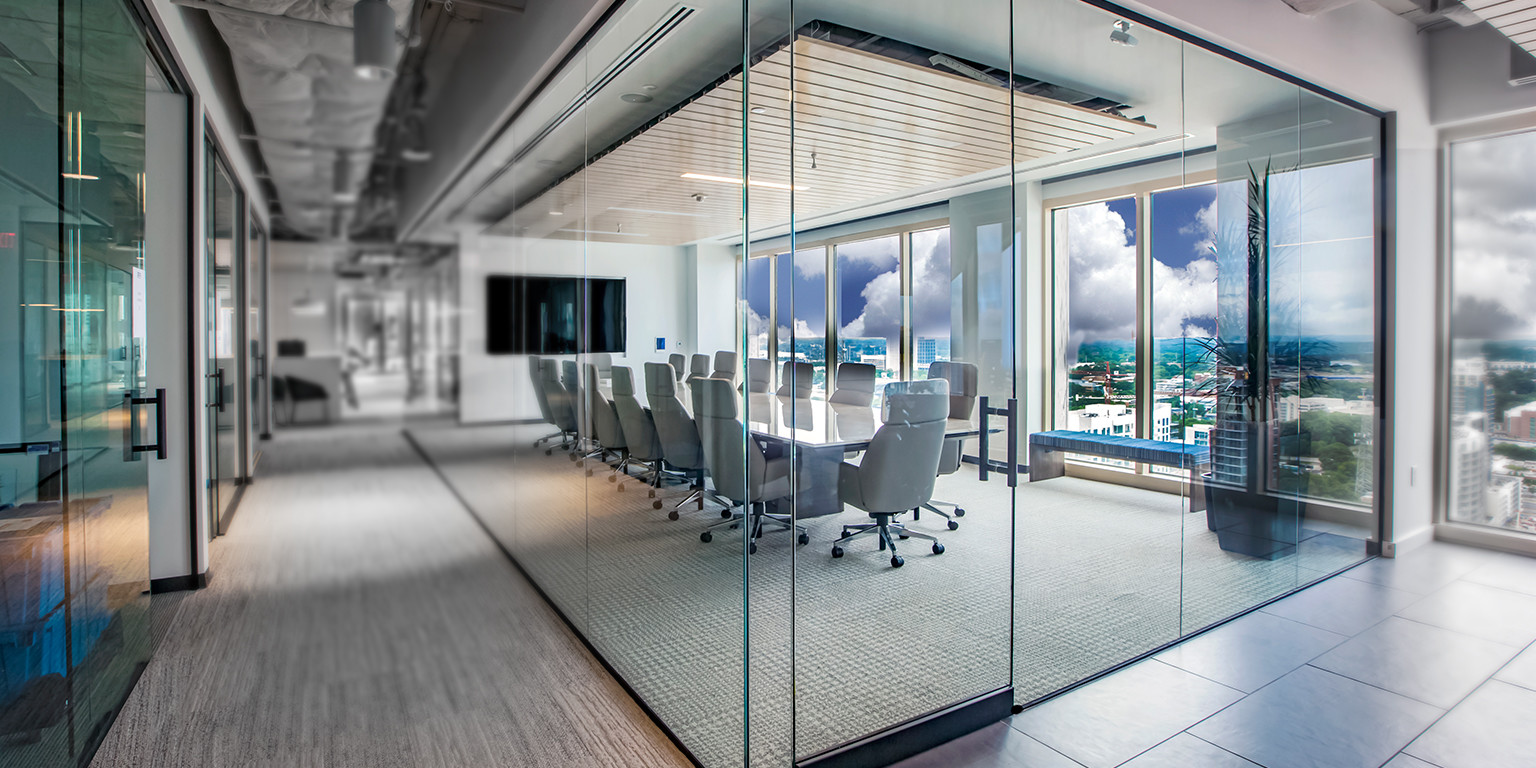
- Conference rooms
- Reception glazing
- Commercial entrances
- Storefront modifications
- Privacy film
- Glass doors
- Access-control integration
The commercial glass contractor becomes part of the process of converting available square footage into modern tenant-ready space.
Albuquerque Commercial Glass: Modernization Is the Bigger Story
Albuquerque creates a different opportunity.
Many projects involve adapting existing properties rather than simply filling newly developed commercial space.
A building may have:
- Aging storefront framing
- Older entrance doors
- Failed insulated glass
- Outdated interior partitions
- Heavy drywall office layouts
- Older lobby systems
- Second-generation tenant improvements
That makes the initial glazing question especially important.
The project team has to determine what can remain, and what actually needs replacement.
For Albuquerque building owners, preserving useful existing systems can be as important as selecting the new glass.
Existing Glass Before Demolition
This is one of the strongest opportunities in both markets.
A previous commercial tenant may have left behind:
- ✓ Glass conference rooms
- ✓ Executive office fronts
- ✓ Sidelites
- ✓ Glass doors
- ✓ Reception glazing
- ✓ Interior aluminum framing
- ✓ Mirrors
- ✓ Exterior storefront
That existing glazing represents capital already invested in the building.
Before the demolition contractor removes it, the glazing subcontractor can determine whether any of it fits the new tenant improvement.
Albuquerque vs Salt Lake City Existing Glass Reuse
Tempered architectural glass creates a unique challenge.
Once fabricated and tempered, an existing panel generally cannot simply be field-cut into a completely different size.
Reuse therefore requires planning.
A stronger sequence is:
Survey Existing Glass → Record Dimensions → Review New TI Layout → Identify Reusable Panels → Demolish Selectively → Fabricate Remaining Glass
This strategy can work particularly well when landlords are turning over office suites repeatedly.
Even partial reuse can reduce unnecessary replacement.
Salt Lake City Office Build Out Glass
Salt Lake City has a particularly strong office TI story because the broader Wasatch Front includes multiple commercial nodes rather than one isolated downtown.
Office renovations can occur throughout:
Salt Lake City → Murray → Sandy → Draper → Lehi → Provo
A commercial glazing package may include:
- Private office fronts
- Executive offices
- Conference rooms
- Huddle rooms
- Training rooms
- Reception areas
- Interior entrances
- Amenity spaces
The opportunity grows when contractors think regionally rather than only within Salt Lake City proper.
Albuquerque Office Build Out Glass
Albuquerque office TI projects can involve many of the same glazing systems, but the tenant mix can be more specialized.
Projects may support:
- Healthcare organizations
- Engineering firms
- Technology companies
- Government-related users
- Professional services
- Research organizations
- Financial offices
Interior glass can help older buildings feel more current without rebuilding the entire floor plate.
A traditional configuration may be:
Exterior Window → Private Office → Opaque Corridor
A renovated configuration can become:
Exterior Window → Glass Office Front → Interior Workspace
That changes how daylight moves through the office.
Conference Room Glass
Conference-room glazing is important in both cities.
A complete system may involve:
Glass + Framing + Door + Hardware + Privacy + Acoustic Strategy
Those components need to work together.
A transparent conference room may look sophisticated while still performing poorly if conversations easily pass through the door, perimeter joints, ceiling, or surrounding partitions.
For executive, healthcare, legal, engineering, and financial tenants, acoustic privacy may be just as important as visual appearance.
Privacy Glass and Film
Both markets have tenants that want daylight without complete transparency.
Privacy treatments may be used around:
- Executive offices
- Human resources
- Conference rooms
- Medical consultation
- Finance
- Legal departments
- Sensitive research areas
Options can include:
- Frosted film
- Gradient film
- Decorative patterns
- Partial-height privacy bands
- Laminated decorative glazing
- Switchable privacy glass
Existing clear office glass can sometimes be retained and adapted rather than replaced.
Albuquerque Medical and Specialized TI Advantage
One of Albuquerque’s strongest commercial glass niches is specialized tenant improvements.
Medical, dental, laboratory, research, institutional, and government-related facilities can require glazing that performs differently from a conventional speculative office.
Potential applications include:
- Reception glazing
- Interior office fronts
- Consultation rooms
- Observation windows
- Security glazing
- Privacy systems
- Controlled entrances
- Specialty partitions
This creates an opportunity for glazing contractors who understand more than basic storefront installation.
Salt Lake City Corporate and Technology Advantage
Salt Lake City has a stronger corporate-growth and technology corridor.
The Wasatch Front can generate commercial glass projects through:
- Corporate relocations
- Technology offices
- Professional services
- Financial offices
- Healthcare administration
- Regional headquarters
- Large tenant expansions
These projects can create larger repeatable interior-glass packages.
Instead of one conference room, the contractor may be bidding dozens of office fronts, conference rooms, and glass doors across multiple floors.
Salt Lake City Industrial TI Glazing
Industrial and logistics development is one of Salt Lake City’s strongest advantages.
Modern distribution and manufacturing properties can require significant office components.
The glazing sequence may look like:
Employee Entrance → Reception → Administrative Offices → Conference Rooms → Training → Operations → Warehouse
Glass applications can include:
- Exterior storefront
- Employee entrances
- Interior office storefront
- Glass offices
- Conference rooms
- Observation glazing
- Safety glass
The warehouse itself may contain relatively little glass, while the office and operations areas generate a meaningful architectural-glazing package.
Albuquerque Industrial and Technology Facilities
Albuquerque’s industrial opportunity is smaller but often more specialized.
Projects may involve:
- Manufacturing
- Technology
- Defense-related operations
- Laboratories
- Warehouses
- Flex properties
- Service facilities
Interior glass can provide visibility between administrative, technical, and operational environments.
For some facilities, access control and security may become more important than architectural transparency.
Storefront Tenant Improvements in Both Markets
Ground-floor commercial space creates a similar opportunity in Albuquerque and Salt Lake City.
Retail, restaurant, medical, bank, fitness, and office tenants may inherit existing aluminum storefront.
Before replacement is specified, the glazing contractor should evaluate:
- Framing
- Glass condition
- Insulated units
- Doors
- Closers
- Thresholds
- Hardware
- Weather seals
- Perimeter sealants
- Accessibility
- Security
A major interior tenant improvement does not automatically require a complete new storefront.
Storefront Repair vs Replacement
Existing storefront can sometimes be modernized through:
Keep Framing → Replace Failed Glass → Repair Entrances → Upgrade Hardware → Reseal
That can preserve capital for other parts of the build out.
Complete replacement becomes more appropriate when there is:
- Significant framing deterioration
- Chronic water intrusion
- Major entrance relocation
- Widespread insulated-glass failure
- Accessibility problems
- Security deficiencies
- Major façade redesign
The decision should be based on the condition of the full system.
Albuquerque Retail and Restaurant Glazing
Albuquerque’s existing commercial stock creates strong opportunities for storefront renovation and reuse.
A former retail space may be converted into:
- Restaurant
- Medical office
- Fitness center
- Professional office
- Bank
The original storefront may still provide useful daylight and visibility.
The commercial glass strategy might become:
Retain Storefront → Modify Entrance → Replace Failed Glass → Add Interior TI Glass
That is often more practical than completely reconstructing the façade.
Salt Lake City Retail and Restaurant Build Outs
Salt Lake City’s stronger growth corridor creates more opportunities for tenant turnover and new concepts throughout suburban and mixed-use development.
Restaurant and retail glazing may include:
- Exterior storefront
- Commercial entrances
- Folding glass systems
- Patio glazing
- Private dining glass
- Mirrors
- Security glazing
- Interior partitions
Customer-facing tenants use glazing differently from offices.
The glass itself becomes part of visibility and brand presentation.
Failed Insulated Glass
Both markets have existing commercial buildings where framing remains useful but insulated glass has begun failing.
Typical symptoms include:
- Fogging between panes
- Cloudiness
- Condensation
- Inconsistent exterior appearance
Replacing failed IGUs can be a particularly effective modernization project when complete storefront replacement is unnecessary.
A renovated tenant space surrounded by cloudy glass still looks like an old property.
Albuquerque Retrofit Opportunity
This is an area where Albuquerque may have the stronger relative opportunity.
A smaller commercial market with significant existing inventory creates room for a glazing contractor to specialize in:
Repair + Retrofit + Existing-System Modernization
Potential projects include:
- IGU replacement
- Entrance upgrades
- Storefront repairs
- Sealant replacement
- Interior-glass retrofits
- Privacy modifications
- Security upgrades
This can create recurring relationships with property managers and facility teams.
Salt Lake City Repeatable TI Opportunity
Salt Lake City may provide more opportunity to standardize.
A property owner managing several Wasatch Front offices could establish consistent standards for:
- Conference-room glass
- Office fronts
- Commercial doors
- Hardware
- Privacy film
- Suite entrances
The same design can potentially be repeated across multiple buildings or tenant suites.
That creates efficiency for both the GC and glazing subcontractor.
Commercial Entrance Systems
Entrances are important in both markets because they combine multiple trades.
A TI entrance may include:
- Aluminum doors
- All-glass doors
- Sidelites
- Transoms
- Closers
- Continuous hinges
- Panic hardware
- Automatic operators
- Electric strikes
- Magnetic locks
The entrance should be treated as an operating system, not simply a glass opening.
Access Control and Glass Doors
Modern tenant improvements increasingly require electronic access.
That creates:
Glazing Contractor → General Contractor → Hardware → Electrical → Security Integrator
The glass contractor may need to coordinate framing or door preparation for:
- Card readers
- Electric strikes
- Magnetic locks
- Door-position sensors
- Request-to-exit devices
- Automatic operators
Those decisions should happen before fabrication.
Albuquerque vs Salt Lake City Security Glazing
Albuquerque may have a particularly strong specialized-security opportunity because of its mix of government, research, technology, healthcare, and other controlled environments.
Salt Lake City also has significant financial, healthcare, corporate, and institutional applications.
In either market, security should be considered as a complete assembly:
Glass + Framing + Anchoring + Doors + Hardware + Surrounding Construction
A stronger glass panel does not automatically create a stronger opening.
Commercial Glass Fabrication and the TI Schedule
The scheduling issue is the same in both markets.
Commercial glass often gets installed late but must be planned early.
A simplified sequence is:
Framing → Drywall → Finished Openings → Field Measure → Fabrication → Installation → Hardware Adjustment
A late opening means a late measurement.
A late measurement means a late fabrication release.
And that can push glazing directly against occupancy.
General contractors should therefore track the glass release date, not simply the installation date.
Glass and Flooring Coordination
Interior glass systems can depend on:
- Finished-floor elevations
- Flooring thickness
- Thresholds
- Bottom channels
- Floor closers
- Material transitions
Late flooring changes can affect door clearances and fabricated panel dimensions.
This is another reason glass contractors should not be brought into the project only during final finishes.
Full-Height Glass and Ceiling Coordination
Floor-to-ceiling systems can interact with:
- Ceiling grids
- Headers
- Structure
- Deflection
- Lighting
- Fire sprinklers
- Mechanical systems
Glass may be installed near the end.
It should not be designed near the end.
Occupied Tenant Improvements
Both Albuquerque and Salt Lake City contain commercial buildings where renovations occur while other tenants remain operational.
Glazing work may require:
- ✓ After-hours installation
- ✓ Weekend work
- ✓ Temporary entrances
- ✓ Temporary board-up
- ✓ Phased storefront replacement
- ✓ Protected tenant circulation
Exterior glass requires particular planning because removing storefront components can affect weather protection and security simultaneously.
Albuquerque vs Salt Lake City Commercial Glass Value Engineering
The strongest value-engineering strategy differs slightly.
Albuquerque
Think:
Preserve + Repair + Retrofit + Modernize
Existing building systems may contain significant hidden value.
Salt Lake City
Think:
Reuse + Standardize + Repeat + Expand
A growing regional tenant market can reward repeatable glazing systems.
Both approaches start with the same rule.
Do not demolish valuable existing glass before someone evaluates it.
Multi-Market Mountain West Glazing Strategy
The bigger opportunity is connecting the two cities.
Salt Lake City can anchor:
Salt Lake City → Sandy → Draper → Lehi → Provo
Albuquerque can anchor:
Albuquerque → Rio Rancho → Santa Fe
Then the regional commercial glazing story extends outward toward:
Denver → Colorado Springs → Salt Lake City → Albuquerque → Phoenix → Las Vegas
For glazing contractors, TI contractors, and property owners, this creates a much broader Mountain West network.
Which Market Is Better for Commercial TI Glass?
Salt Lake City wins on growth and regional expansion.
Its Wasatch Front footprint creates greater corporate, industrial, logistics, and multi-location tenant-improvement potential.
Albuquerque may win on specialized retrofit opportunity.
Its existing commercial stock and concentration of healthcare, institutional, research, government-related, and specialized users create strong demand for modernization, security, privacy, and adaptive glazing solutions.
Neither market should be viewed as simply a smaller version of Denver or Phoenix.
They have distinct commercial-glass opportunities.
Albuquerque vs Salt Lake City — Two Different TI Glazing Engines
The clearest distinction is:
Albuquerque
Existing Building → Specialized Tenant → Retrofit → Modernization → Commercial Glass
Salt Lake City
Growth → Leasing → Expansion → Tenant Improvement → Commercial Glass
Albuquerque rewards contractors who understand existing buildings.
Salt Lake City rewards contractors who can execute repeatable tenant-improvement systems across a growing commercial corridor.
For commercial property owners, developers, architects, general contractors, facility managers, and tenant improvement contractors, both markets support the same fundamental strategy:
Survey Existing Glass → Preserve What Has Value → Coordinate Storefront & Entrances → Design Interior Glazing Around the New Tenant → Address Privacy, Security & Acoustics Early → Release Fabrication Before It Threatens Occupancy
That is where commercial glazing becomes part of the tenant improvement strategy rather than simply another finish installed at the end of the build out.