
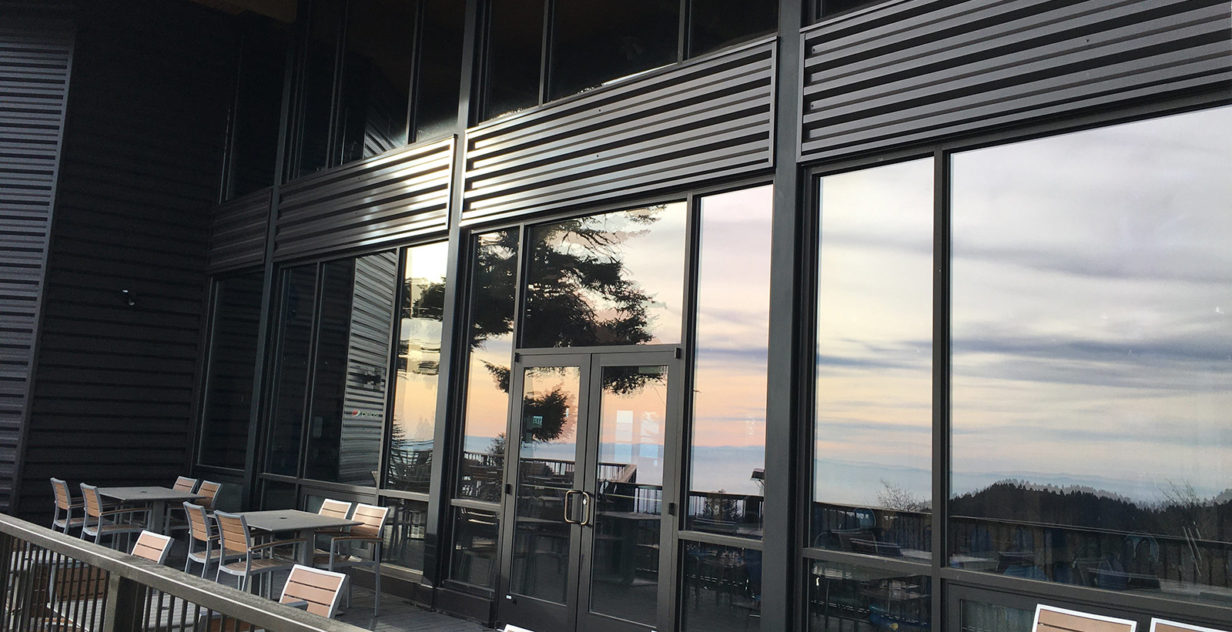
Colorado Springs vs Albuquerque — Commercial Storefront & TI Glazing Markets
Colorado Springs vs Albuquerque — Commercial Storefront, Tenant Improvement Glazing & Commercial Glass Markets
Colorado Springs and Albuquerque are two of the most strategically interesting commercial glazing markets in the Mountain West because neither depends entirely on traditional corporate office construction.
Both cities have meaningful inventories of office, industrial, medical, retail, institutional, technology, and second-generation commercial properties, while each also has a significant defense and aerospace presence.
The difference is where the strongest opportunities concentrate.
Colorado Springs = Defense + Healthcare + Professional Office + Retail + Southern Colorado Growth
Albuquerque = Aerospace + Defense + Advanced Manufacturing + Research + Existing-Building Modernization
For commercial storefront contractors, tenant improvement glazing contractors, general contractors, developers, property managers, and facility teams, both markets can support much more than broken-glass replacement.
They create opportunities across:
Storefront → Entrances → Office Glass → Security Glazing → Industrial TI → Building Modernization
Colorado Springs vs Albuquerque Commercial TI Glazing
| Commercial Glass Opportunity | Colorado Springs | Albuquerque |
|---|---|---|
| Commercial storefront TI | Exceptional | Very strong |
| Office tenant improvements | Very strong | Very strong |
| Interior office glass | Very strong | Very strong |
| Defense-related glazing | Exceptional | Exceptional |
| Aerospace facilities | Exceptional | Exceptional |
| Advanced manufacturing TI | Strong | Exceptional |
| Medical office glazing | Exceptional | Very strong |
| Security glazing | Exceptional | Exceptional |
| Industrial office buildouts | Very strong | Exceptional |
| Existing-building modernization | Very strong | Exceptional |
| Retail storefront renovation | Exceptional | Very strong |
| Specialized technical facilities | Very strong | Exceptional |
The similarities make this an interesting comparison.
The differences make it useful.
Colorado Springs Commercial Storefront Glass: A Broad TI Market
Colorado Springs supports office, retail, industrial, medical, flex, and specialized commercial users. Current commercial listings and brokerage activity continue to span those categories, including corporate and local office, flex, industrial, and medical occupiers.
That creates a broad storefront and TI market.
A glazing contractor may move between:
- Retail storefront replacement
- Medical office entrances
- Interior office glass
- Restaurant storefronts
- Corporate entrances
- Industrial office glazing
- Security-sensitive facilities
That diversity is valuable.
The contractor isn’t dependent on one building type to create demand.
Albuquerque Commercial Glass: Specialization Changes the Market
Albuquerque’s opportunity has become particularly interesting because aerospace, defense, and high-tech manufacturing are increasingly visible in its commercial real estate activity.
Colliers reported that aerospace and defense users led Albuquerque office leasing activity in Q1 2026. Its industrial research also identified growth in high-tech manufacturing and aerospace/defense operations, with industrial vacancy around 4.46%.
That creates a different glazing opportunity:
Specialized Tenant → Specialized Facility → TI Construction → Specialized Glass
The contractor may still install ordinary storefront.
But the surrounding project can be far more technical.
Colorado Springs Office Vacancy Creates a TI Opportunity
Colorado Springs also has an important existing-building story.
Direct office vacancy reached 9.2% in the second half of 2025, while CBD vacancy was 13.2%. CBRE also reported that no new office projects had broken ground since the market’s last delivery in the first half of 2023.
For tenant improvement contractors, limited new supply raises an interesting question about how much existing office inventory will need to be renovated rather than replaced by new construction.
That can create work involving:
Existing Suite → Demolition → Reconfiguration → Interior Glass → Entrance Improvements → New Tenant
Albuquerque Has a Quality-of-Space Story
Albuquerque’s office vacancy fell to 12.9% in Q2 2026.
More importantly, CBRE reported that tenants continued prioritizing well-located Class A and upper-tier Class B properties, while move-in-ready options in those categories remained limited.
That’s highly relevant to TI glazing.
When tenants prefer better space, owners of older properties face pressure to improve their buildings.
Commercial glass can contribute through:
- Modern office fronts
- Conference rooms
- New entrances
- Storefront replacement
- Privacy systems
- Lobby glass
- Failed IGU replacement
The glazing package becomes part of the property’s competitive position.
Commercial Storefront Replacement
Both markets have extensive inventories of existing aluminum storefront.
Retail centers, restaurants, medical offices, banks, fitness facilities, professional offices, and mixed-use properties continually change tenants.
The glazing contractor should determine whether the new TI requires:
Repair → Modification → Partial Replacement → Complete Replacement
Those are four very different scopes.
Storefront Should Not Be Replaced Just Because the Tenant Changes
A $1 million interior renovation does not automatically require a new exterior storefront.
The existing system may still have serviceable:
- Aluminum framing
- Glass
- Sidelites
- Transoms
- Entrance framing
The actual problems may be limited to:
- ✓ Failed IGUs
- ✓ Damaged glass
- ✓ Worn door hardware
- ✓ Failed weather seals
- ✓ Poor closers
- ✓ Deteriorated perimeter sealants
That can turn what initially appears to be a storefront replacement into a targeted storefront modernization project.
When Complete Storefront Replacement Makes Sense
The opposite mistake is trying to preserve a storefront that has reached the end of its useful life.
Complete replacement becomes more attractive when the project involves:
- Extensive framing deterioration
- Chronic water intrusion
- Major entrance relocation
- Widespread glass failure
- Significant accessibility changes
- Security upgrades
- Major architectural redesign
The important distinction is between component failure and system failure.
That distinction can save TI budgets from unnecessary replacement without preserving systems that will continue creating problems.
Colorado Springs Retail Storefront Opportunity
Colorado Springs has a strong suburban retail component.
For example, a 34,104-square-foot strip center in the Powers Boulevard retail corridor sold for $20.5 million in March 2026, illustrating continued investment in established commercial retail properties.
For glazing contractors, these properties can create recurring work rather than one-time construction.
Every tenant transition can potentially involve:
Storefront → Door → Hardware → Glass → Film → Interior TI
A shopping center containing 20 tenants isn’t necessarily one glazing opportunity.
Over its ownership cycle, it can become dozens.
Albuquerque Storefront Modernization
Albuquerque’s opportunity may lean more heavily toward extracting additional value from existing commercial systems.
A second-generation tenant may inherit:
- Aluminum storefront
- Entrance doors
- Interior glass
- Conference rooms
- Mirrors
- Sidelites
Instead of automatically removing everything, the TI team can determine what remains compatible with the incoming tenant.
That creates:
Survey → Preserve → Modify → Replace Selectively
rather than demolishing everything and rebuying it.

Existing Glass Before Demolition
This should be particularly important for both markets.
Before the demolition contractor starts, inventory:
- Conference-room panels
- Glass office fronts
- Glass doors
- Sidelites
- Reception glass
- Interior storefront
- Mirrors
- Exterior storefront
Existing glass represents previous capital investment.
The fact that a lease ended doesn’t erase that value.
Reusing Tempered Glass
Tempered glass generally cannot simply be field-cut into new dimensions.
That makes reuse a design problem rather than a demolition problem.
The process becomes:
Measure Existing Glass → Compare With New Floor Plan → Identify Compatible Openings → Preserve Selected Panels → Fabricate New Glass for Everything Else
Perhaps only 20% of the glass can realistically remain.
That’s still 20% that doesn’t need to be demolished, disposed of, reordered, fabricated, and reinstalled.
Colorado Springs Defense & Aerospace Glazing
Colorado Springs’ defense-related economy creates one of its most distinctive commercial-glass niches.
Specialized facilities can potentially require:
- Controlled entrances
- Secure reception
- Laminated glazing
- Interior separation
- Access-controlled glass doors
- Specialty framing
- Privacy glazing
Not every defense contractor needs protective glazing.
The key is identifying the required performance before specifying the product.
Albuquerque Aerospace & Advanced Manufacturing Glazing
Albuquerque has an equally compelling specialized story, but it increasingly overlaps with advanced manufacturing.
Colliers reported a surge in high-tech manufacturing alongside aerospace and defense activity, including major projects and expansions around the metro and Rio Rancho.
That can produce facilities combining:
Office + Engineering + Research + Manufacturing + Operations
Commercial glass may be used to connect those environments visually while maintaining functional separation.
MaxQ and the Albuquerque Technical Glazing Opportunity
The MaxQ development near Kirtland illustrates the type of specialized commercial environment Albuquerque can support.
Current plans include high-tech office, flex, manufacturing, life-science, and laboratory uses, with the ability to accommodate specialized security requirements.
For commercial glazing contractors, facilities like these can create very different requirements from a conventional retail storefront.
The project may need to consider:
Visibility + Security + Access + Safety + Operational Separation
Those requirements have to be balanced simultaneously.
Security Glass Is an Assembly
This matters in both Colorado Springs and Albuquerque.
A contractor shouldn’t treat security as simply a thicker piece of glass.
Performance can depend on:
Glass + Framing + Anchoring + Doors + Hardware + Surrounding Construction
An upgraded glass product installed into an inadequate frame may not provide the intended performance.
The security objective should therefore be established before the glazing system is designed.
Medical Office Tenant Improvement Glass
Healthcare creates another strong overlap between the two markets.
Colorado Springs has a particularly strong medical and healthcare construction base, while Albuquerque supports significant medical and institutional users.
Potential glazing applications include:
- Reception glass
- Administrative offices
- Conference rooms
- Staff areas
- Automatic entrances
- Interior doors
- Privacy glazing
Medical projects require a different balance from conventional offices:
Visibility + Privacy + Accessibility + Safety + Cleaning
That should influence product selection.
Interior Office Glass
Both markets also support conventional office glazing.
Applications include:
- Executive offices
- Private offices
- Conference rooms
- Huddle rooms
- Training rooms
- Reception
- Collaboration areas
- Glass doors
Interior glass can be particularly effective when renovating older office floor plates.
Instead of:
Exterior Window → Private Office → Drywall → Dark Interior
the new TI can create:
Exterior Window → Glass Office → Interior Workspace
The exterior building hasn’t changed.
But daylight penetrates farther into the tenant space.
Conference Room Glass
Conference rooms remain one of the most visible interior TI glass applications.
The complete system may include:
Glass + Framing + Door + Hardware + Privacy + Acoustics
The last item matters.
A beautiful conference room can still fail the tenant if conversations travel easily into surrounding workspaces.
Acoustic performance can depend on the entire assembly, not simply glass thickness.
Albuquerque Industrial TI Glazing
Albuquerque’s industrial market is particularly noteworthy.
Colliers reported 325,364 square feet of positive industrial absorption in Q1 2026 and vacancy of just 4.46%, alongside continued manufacturing and aerospace-related investment.
That creates opportunities beyond traditional warehouses.
The work often combines advanced manufacturing, engineering, office, training, and operations space.
Those facilities can contain substantial interior and entrance glazing even when the building exterior appears relatively glass-light.

Colorado Springs Industrial & Flex Glazing
Colorado Springs has its own industrial and flex opportunity.
Commercial users throughout Southern Colorado include office, flex, industrial, and medical occupiers, creating potential glazing work associated with new facilities, relocations, consolidations, and build-to-suit projects.
A typical industrial TI may include:
Employee Entrance → Reception → Offices → Conference Room → Operations → Warehouse
Glass can appear throughout the administrative portion.
Warehouse Office Buildouts
This deserves to be treated as its own glazing category.
A warehouse office may require:
- Exterior storefront
- Employee entrance
- Reception glass
- Office fronts
- Conference rooms
- Training-room glass
- Observation windows
- Safety glazing
A 150,000-square-foot warehouse might contain only 15,000 square feet of office.
For the glazing contractor, those 15,000 square feet can be the most interesting part of the project.
Albuquerque Office and Warehouse Crossover
This crossover is visible in Albuquerque’s existing commercial inventory.
Current properties marketed in the area combine warehouse space with conference rooms, training areas, offices, and other employee amenities.
That’s exactly the type of property where industrial glass becomes a misleading description.
The actual opportunity combines an industrial building with a commercial office buildout.
Commercial Entrance Systems
Entrances create another major opportunity in both markets.
A complete commercial entrance may involve:
- Aluminum doors
- Glass doors
- Sidelites
- Transoms
- Closers
- Continuous hinges
- Panic hardware
- Automatic operators
- Electrified hardware
- Access control
The entrance is not simply a glass opening.
It is an operating building system.
Access Control & Glass Doors
Defense, healthcare, manufacturing, office, and technical facilities increasingly require electronic access.
That creates a coordination chain:
Glazing Contractor → TI Contractor → Hardware → Electrical → Security Integrator
The opening may require:
- Card readers
- Electric strikes
- Magnetic locks
- Door-position switches
- Request-to-exit devices
- Automatic operators
These requirements should be resolved before fabrication.
Colorado Springs vs Albuquerque Climate
Both cities create demanding exterior conditions, although they are not identical.
Commercial storefronts can face:
Strong Solar Exposure + Large Temperature Swings + Wind + Dry Conditions + Seasonal Cold
Exterior glazing therefore needs to be evaluated differently from interior office glass.
A conference-room partition is an architectural interior system.
A storefront is part of the building envelope.
Value engineering should recognize that difference.
Failed Insulated Glass & Storefront Modernization
An otherwise successful TI can still look tired when the storefront contains cloudy or fogged insulated glass.
When framing remains serviceable, selective IGU replacement can sometimes restore appearance without replacing the complete storefront.
That can be especially valuable for:
- Office repositioning
- Medical properties
- Shopping centers
- Restaurants
- Professional buildings
The objective is to identify exactly which components have failed.
Spec Suite Glass
Both markets can support speculative suite renovations.
Ownership may install:
- ✓ Conference rooms
- ✓ Glass office fronts
- ✓ Reception glazing
- ✓ Glass doors
- ✓ Privacy film
That work can happen before a tenant signs.
It transforms an empty commercial suite into something prospective occupants can immediately understand.
Glass therefore becomes part of the leasing presentation.
Colorado Springs Commercial Glass Value Engineering
Colorado Springs projects can benefit from:
Reuse + Modernization + Security + Flexibility
Evaluate existing storefront and interior glass before replacement, then direct capital toward the openings that materially improve appearance, security, accessibility, or tenant functionality.
Albuquerque Commercial Glass Value Engineering
Albuquerque can benefit from:
Reuse + Retrofit + Specialization + Performance
The city’s growing advanced manufacturing and aerospace/defense sectors make it especially important to distinguish conventional office glazing from specialized technical requirements.
The goal isn’t simply to specify more expensive glass.
It’s to put the correct system in the correct opening.
Commercial Glass Fabrication & TI Scheduling
The construction problem is identical in both cities.
Glass gets installed late but needs to be planned early.
A typical sequence is:
Framing → Drywall → Finished Opening → Field Measure → Fabrication → Installation → Hardware
If the opening isn’t ready, field measurement gets delayed.
Then fabrication gets delayed.
Then glass becomes one of the last obstacles before occupancy.
General contractors should therefore track the glass release date as closely as the glass installation date.
Colorado Springs vs Albuquerque — Which Commercial Glazing Market Wins?
Neither market wins across every category.
Colorado Springs Wins for Broad Commercial TI Diversity
Its combination of:
Defense + Healthcare + Office + Retail + Hospitality + Industrial
creates a diversified commercial glazing market.
The city’s existing office inventory and limited recent new office construction can also support renovation and repositioning opportunities.
Albuquerque Wins for Specialized Technical Growth
Albuquerque’s combination of:
Aerospace + Defense + Advanced Manufacturing + Research + Tight Industrial Supply
creates an unusually interesting specialized glazing environment. Recent office leasing has been led partly by aerospace and defense users, while industrial activity is benefiting from high-tech manufacturing investment.
Colorado Springs vs Albuquerque — Two Different TI Glazing Engines
The strongest distinction is:
Colorado Springs
Commercial Growth → Tenant Turnover → Buildout → Storefront / Office / Specialty Glass
Albuquerque
Technical Growth → Facility Expansion → Specialized TI → Commercial / Security / Industrial Glass
Colorado Springs rewards glazing contractors capable of serving many different commercial property types.
Albuquerque rewards contractors capable of doing conventional storefront and office work while moving into increasingly technical commercial environments when projects demand it.
Together, the markets also create a larger regional opportunity:
Colorado Springs → Pueblo → Santa Fe → Albuquerque → Rio Rancho
For commercial glass contractors, tenant improvement contractors, developers, property managers, facility managers, and general contractors, that creates a powerful Southern Mountain West glazing corridor built around storefront renovation, office buildouts, commercial entrances, interior glass, healthcare TI, industrial offices, aerospace and defense facilities, advanced manufacturing, security glazing, and existing-building modernization.
And in both markets, the strongest TI process starts the same way:
Survey Existing Glass → Preserve What Has Value → Determine What Actually Needs Replacement → Coordinate Doors & Security Early → Design Interior Glass Around the Tenant → Release Fabrication Before It Threatens Occupancy